
Behind Every Strong Techno Scene, There Is a Living and Collaborative Community
Introduction: Techno, a Music Born from Collaboration
Techno music, with its hypnotic rhythm and electronic textures, is often perceived as an individual or digital expression. Yet, behind every strong techno scene, there is a true human network, an engaged community that shapes collective creativity. For musicians, producers, DJs, singers, and music professionals, this community is the key to creating solid projects, finding playing partners, organizing rehearsals, and setting up concerts.
1. Finding Your Tribe: The First Musical Encounters
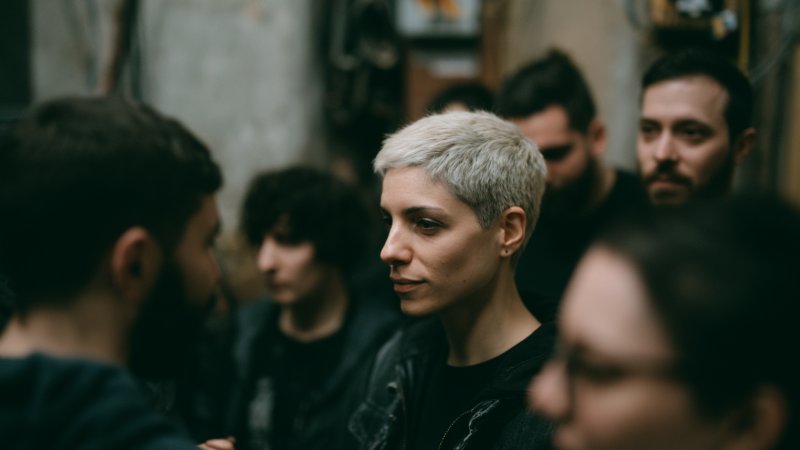
In a local techno scene, initial contacts are made not only online or via streaming platforms but also in physical spaces and events: parties, workshops, shared studios, or bars where artists meet. These encounters allow for detecting musical and human compatibility, a crucial step to launching a collaboration.
For example, a producer often looks for a singer who can bring a unique vocal color to their tracks, while a DJ may want to integrate a percussionist or a synthesist to enrich their live sets. These connections are often built around common interests, similar influences, and shared values.
2. Rehearsing Together: The Living Workshop of the Techno Scene
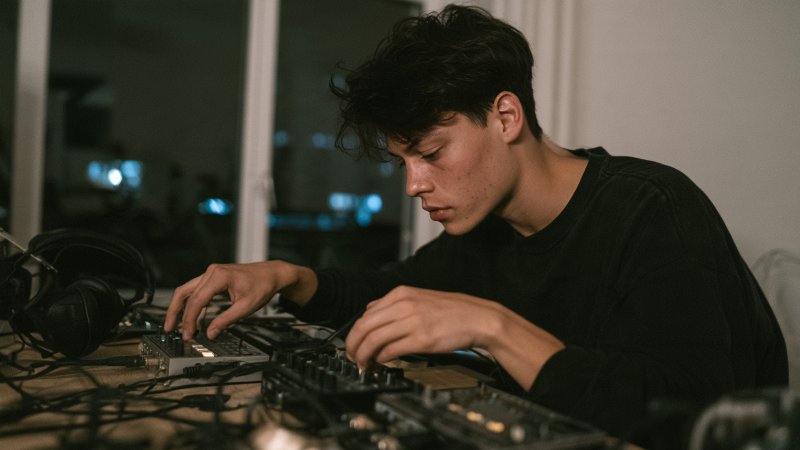
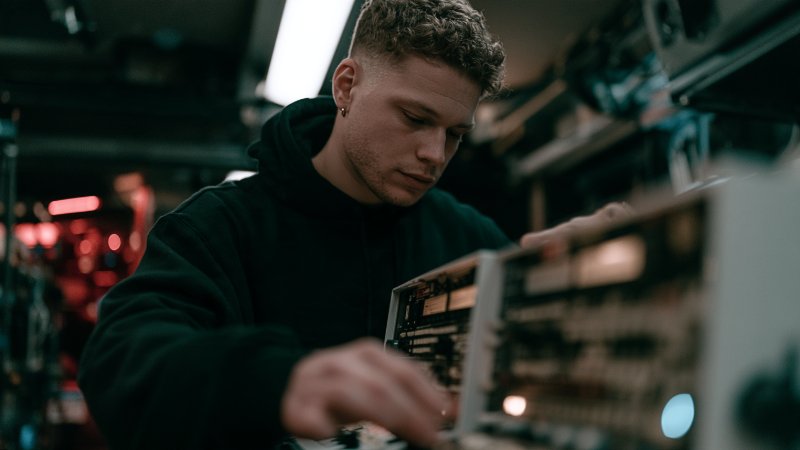
Rehearsals play a central role in the quality and cohesion of a techno project. Whether in a studio, a garage, or a dedicated room, meeting physically allows testing ideas, adapting sounds in real time, and creating creative synergy. It is also a moment to resolve potential tensions, refine rhythms and transitions, and strengthen collective commitment.
For example, a live techno group may spend several weeks working on the interaction between the sequencer and live elements, such as electronic drums or the vocoder, to achieve a fluid and energetic set. These sessions are as much experimentation laboratories as moments of conviviality and sharing.
3. Building Projects, Recording, and Performing Live
Once artistic and personal compatibility is established, the techno community moves towards production and distribution. Studio recording, whether professional or home studio, is a key step to materialize a project. Again, mutual support is indispensable: sound engineers, arrangers, beatmakers all contribute to enhancing the creation.
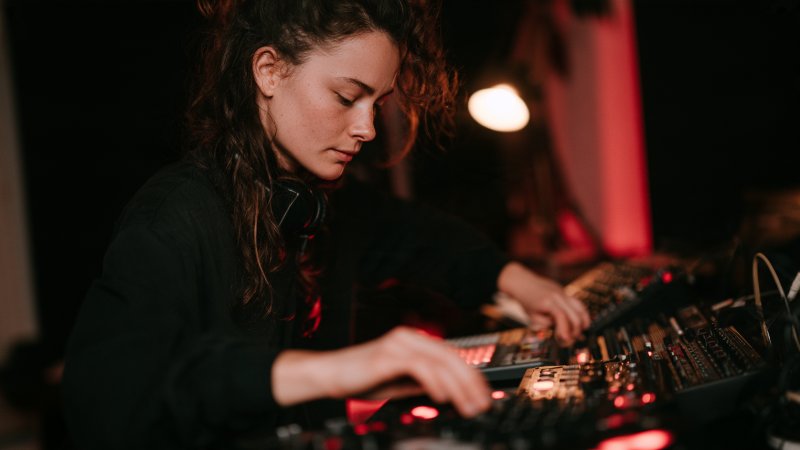
Finally, the life of the techno scene goes through concerts and local festivals. Finding venues, negotiating dates, coordinating technical and artistic constraints require everyone’s cooperation. These events are also opportunities to recruit new members, strengthen bonds, and grow the community.
4. Frictions and Opportunities: The Realities of Working in a Techno Community
Collaborating in a local techno scene sometimes involves managing difficulties: artistic differences, organizational problems, financial constraints, or rivalries. However, these frictions can also be sources of innovation and overcoming challenges. Successful communities are those that know how to establish a climate of trust, respect, and listening.
Moreover, digital tools create new opportunities to find partners, share sessions remotely, and reach a wider audience, while remaining rooted locally. Benoizzy, for example, offers a dedicated platform to facilitate these concrete connections between artists and professionals.
Conclusion: Techno as a Driver of a Living and Supportive Community
Beyond the music, techno is fertile ground for building social bonds and promoting authentic collaboration. Behind every powerful set or memorable track, there is a team of passionate people who rehearse, create, help each other, and share a common vision. For musicians, producers, and scene actors, relying on this local community is essential to nurture their creativity and succeed in a constantly evolving musical universe.
By joining networks like Benoizzy, everyone can find their tribe, develop their projects, and contribute to keeping a techno scene ever richer and more human.