
Essential Conversations for a Successful Musical Collaboration
Why are these conversations crucial from the start?
Creating a band or joining a musical group requires much more than talent or good technique. It is above all a human and collaborative adventure where communication plays a central role. From the first exchange, asking the right questions, clarifying expectations, and understanding each person's motivations helps avoid frustrations and misunderstandings that often undermine musical projects.
Essential topics to address
1. Artistic and personal goals
A band must agree on its common vision: do we just want to have fun, play locally, record tracks, or go on tour? This step prevents disappointments and aligns members on a shared goal. It is also necessary to talk about musical styles, influences, and references to assess artistic compatibility.
2. Availability and commitment
Rehearsals, recording sessions, and concerts require time. Openly discussing each person's availability, the expected level of investment, and flexibility in the face of unforeseen events is essential to organize a work rhythm suitable for everyone.
3. Group dynamics and communication
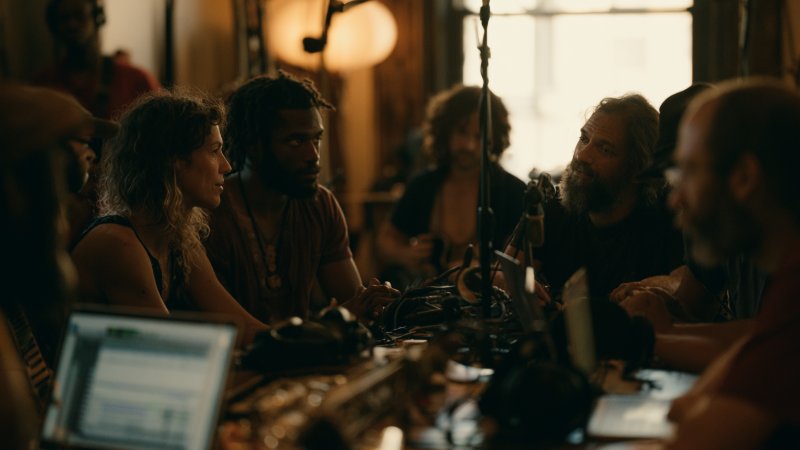
How to manage conflicts? Who makes decisions? It is important to define how the group will communicate, how responsibilities will be divided (bookings, promotion, logistics), and to establish a supportive framework where everyone can express themselves freely.
4. Sharing roles and income
Before performing on stage or selling tracks, clarifying the distribution of tasks and profits avoids tensions. Who composes, who writes? How are copyrights and revenues from concerts or sales managed?
5. Tools and rehearsal spaces
Discussing possible locations, frequency, and practical arrangements (cost, equipment, access) for rehearsing facilitates smooth organization. Choosing a suitable space influences the quality of sessions and the group's motivation.
Concrete examples from Benoizzy
On Benoizzy, many musicians testify to the importance of these initial discussions. For example, a local rock band avoided a breakup by clarifying very early the singer's role as artistic leader, while a jazz collective built its schedule based on the fluctuating availability of its members, thanks to transparent communication. These experiences illustrate that music is above all a human collaboration, where listening and mutual understanding are the key to success.
How to initiate these conversations?
- Organize a dedicated meeting: a first friendly meeting to lay the foundations.
- Use collaborative tools: shared calendars, online discussion groups, task boards.
- Ask open questions: about expectations, desires, constraints.
- Document agreements: keep a written record of important decisions.
In summary
The conversations a group must have from the start are not mere formalities but the foundation of a healthy and lasting musical collaboration. They help build a united team, manage potential tensions, and optimize chances of artistic success. For all musicians, producers, or singers who wish to engage in a collective project, investing time in these exchanges is an act of respect and professionalism towards oneself and others. Benoizzy encourages this approach by offering a platform where musicians can meet, exchange, and build together with clarity and trust.