
Finding Your First Contacts in the Electro Scene: A Practical Guide for Committed Musicians
Diving into the Electro Scene: Why First Contacts Matter
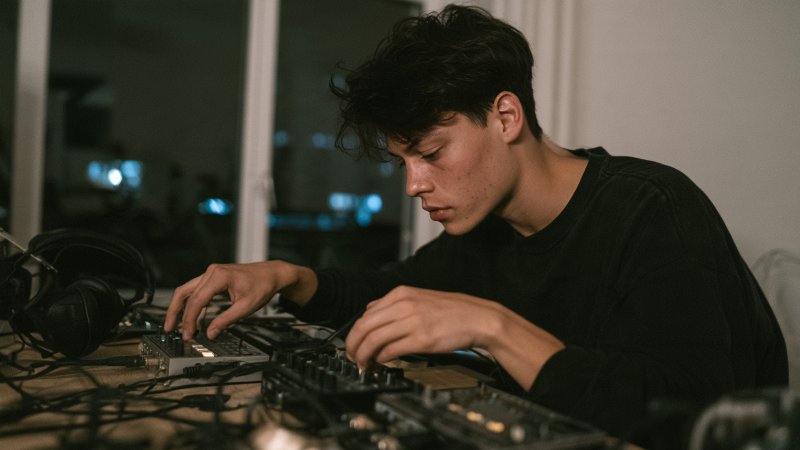
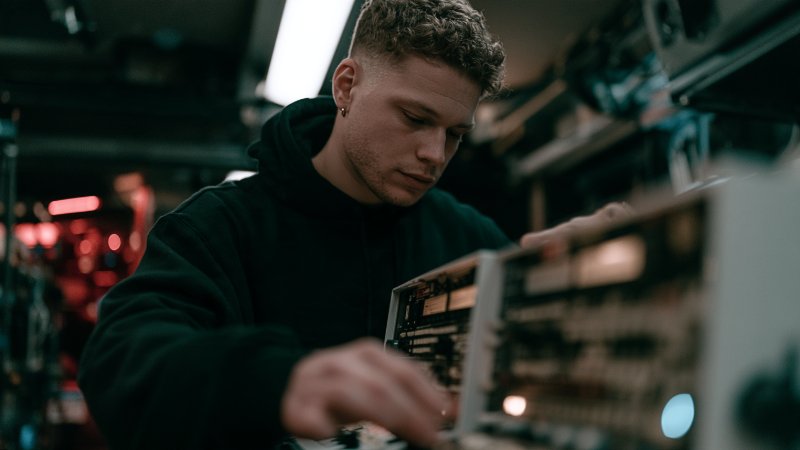
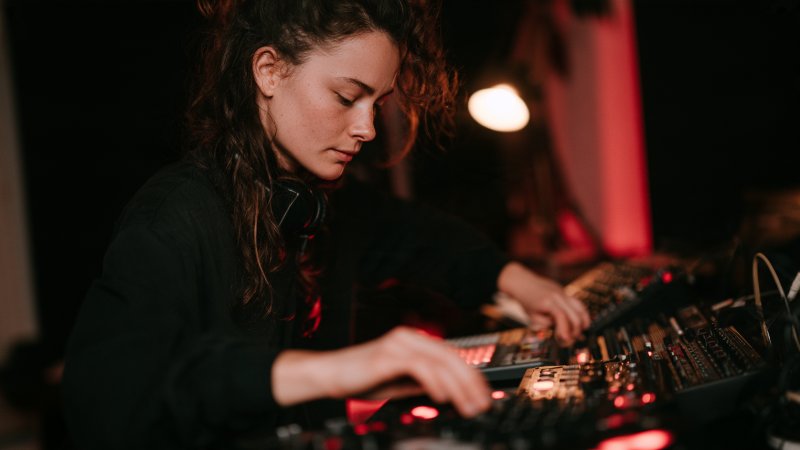
Electro music, with its diversity of styles and formats, is above all a collective adventure. Whether you are a DJ, producer, singer, or electronic musician, your first contacts in the local scene are the key to turning your ideas into living projects. This initial network will allow you to find rehearsal partners, co-creators for tracks, or accomplices to organize your first live performances.
First Steps: Where to Look for the Right Contacts?
1. Physical Places: Clubs, Bars, Studios, and Workshops
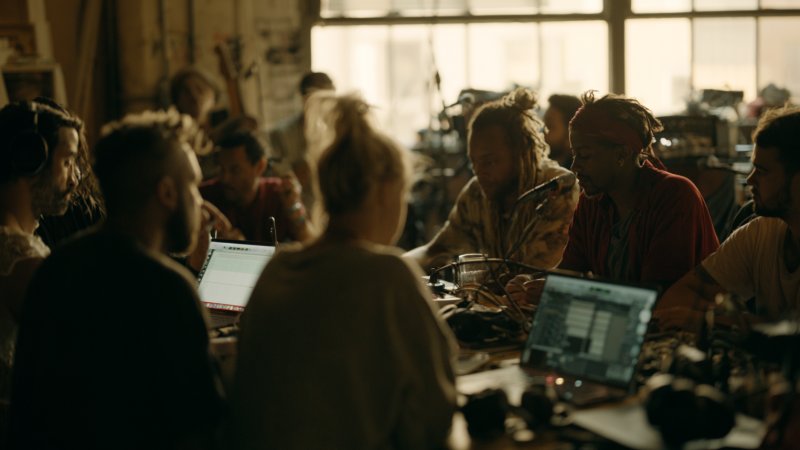
Regular meetings in clubs and bars specializing in electro are often the beating heart of the local scene. Frequenting these places allows you to meet other enthusiasts, listen to varied sets, and, above all, engage in conversation with artists, technicians, or programmers. Rehearsal studios and electronic music workshops are also privileged places where musicians naturally cross paths.
2. Events and Open Stages
Participating in open stages or jam sessions offers you a platform to showcase your work while discovering other talents. These events are often organized by local collectives or associations, which play a role as a springboard and facilitate concrete connections.
3. Small-Scale Online Networks
Beyond large platforms, prioritize Facebook groups, specialized forums, and Discord communities dedicated to your local scene. These digital spaces allow exchanging invitations to rehearsals, collaborations, or studio sessions with ease, while maintaining a spirit of closeness.
The First Contact: Tips for Creating a Genuine Connection
Approaching someone in the electro scene goes far beyond a simple exchange of contact details. It is about creating a true artistic chemistry:
- Prepare a clear and authentic presentation of your musical universe and your expectations.
- Propose a friendly first meeting: a shared listening, a coffee, a session to listen to tracks to gauge affinities.
- Show curiosity: take an interest in your contact’s background and projects, this creates a foundation of trust.
Making Collaboration Concrete: Rehearsals, Creation, and Commitments
Once positive initial exchanges are established, it is essential to organize regular sessions to build together:
- Rehearsals are the experimental ground where musical cohesion is refined. Choose a suitable space and respect the agreed time slots.
- Co-creation requires a balance between mutual listening and creative freedom. Formalizing ideas through demos or recordings facilitates project follow-up.
- Commitment: clearly define objectives and each person’s roles, whether it is a one-time project or a long-term group.
Concrete Examples: How the Local Scene Fosters Success
In several cities, electro collectives emerge to create solid networks. For example, a duo of producers may start by sharing a track on a local platform, then meet physically during a synthesizer workshop. Quickly, they organize a joint evening in a bar, attracting other musicians and creating a collective dynamic. These meetings quickly become a virtuous circle, fueled by trust and shared passion.
In Conclusion: Making the Electro Scene a Space for Living Collaboration
First contacts are the gateway to a rich and human musical adventure. They require curiosity, patience, and authenticity. By relying on appropriate places, events, and networks, prioritizing sincere exchanges and concrete commitments, every musician can find their tribe in the local electro scene. Thus opens the way to rehearse, create, record, and play together, in a collective dynamic that brings music to life beyond the screens.