
How to Join a Music Collective When You're a Beginner: Practical Guide
Why join a music collective when you're a beginner?
Joining a music collective is much more than just a way to play in a group. It is an open door to a world of exchanges, sharing, and joint creations. For a beginner musician, it is also an essential springboard to learn, make local contacts, and experience the stage in real conditions.
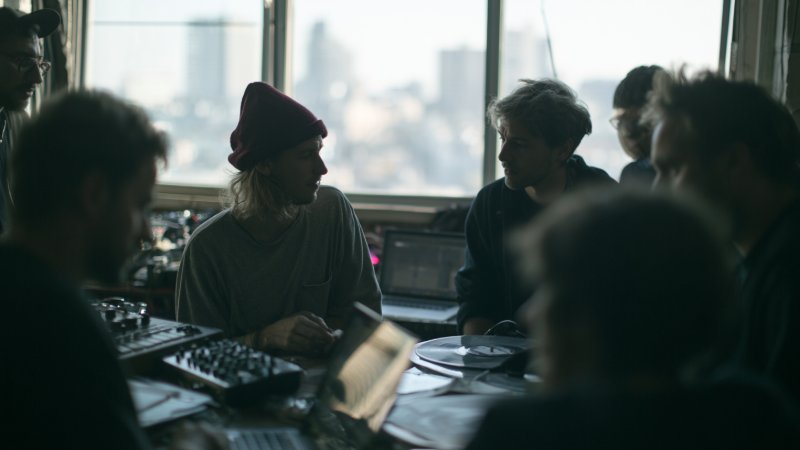
Collectives often bring together musicians, producers, singers, and technicians who share a common passion and a desire to create together. They offer a framework where you can rehearse, record, organize concerts, and experiment with new ideas, while benefiting from the support of a community.
First steps: where and how to find a suitable collective?
1. Explore the local music scene
Start by frequenting concert venues, rehearsal studios, and music cafés in your city. These spaces are often the nerve centers where musicians meet and collectives are born. Regularly attending local events allows you to spot groups that inspire you and meet their members.
2. Use specialized networks and community platforms
Sites like Benoizzy, local forums, Discord groups, or dedicated apps can help you find collectives that are recruiting or launch a call for collaboration. Specify your style, level, and expectations to find a compatible group.
3. Participate in workshops, jams, and open mic sessions
Nothing beats collective practice to quickly create bonds. Improvisation sessions or workshops organized by music associations are ideal opportunities to meet musicians open to new collaborations.
How to integrate into a collective: the first meeting and beyond
1. Honest and prepared introduction
At first contact, be clear about your background, ambitions, and what you can bring to the collective. Transparency fosters trust and avoids misunderstandings.
2. Test musical and personal compatibility
Creative chemistry cannot be decreed: it is felt. Suggest an informal first rehearsal or jam session to assess musical and personal rapport. Artistic coexistence requires respect, listening, and openness.
3. Understand the organization and commitments
Each collective has its rules, rehearsal rhythm, working methods, and goals. Make sure these elements correspond to your availability and possible involvement.
Living and growing collaboration within the collective
1. Actively participate in rehearsals and projects
Regular attendance is the key to successful integration. Show your motivation through serious preparation, regular presence, and a constructive attitude during sessions.
2. Contribute to the collective’s life beyond music
Organizing concerts, managing communication, helping with logistics or booking are all ways to strengthen the collective and expand your network.
3. Build a common project and step out of your comfort zone
A collective is a laboratory of ideas where everyone can propose, experiment, and evolve. The diversity of profiles enriches creations and pushes you to exceed your limits.
Concrete examples of successful beginner collectives
In several French cities, young musicians have joined or founded collectives that became local springboards. For example, in Lyon, a group of beginners met via an online platform and then organized their first rehearsals in an association space. Over the months, they produced mini-albums, played in bars, and helped animate sessions open to the public.
In Paris, singers and beatmakers came together around a common project on Benoizzy, combining rehearsals, shared recording studio, and organizing showcases. Their strength was to rely on complementarity and mutual support.
Conclusion: the collective, a human and artistic adventure to live intensely
Joining a collective when you’re a beginner is not just a step to progress musically; it is an immersion in a lively and creative community. It requires curiosity, patience, and commitment, but in return offers rich moments of learning, solidarity, and shared pleasure on stage and in the studio.
On Benoizzy, you will find tools and contacts to take these essential first steps, meet the right people, and build your musical projects together. Music is above all a collective adventure: dare to live it fully!