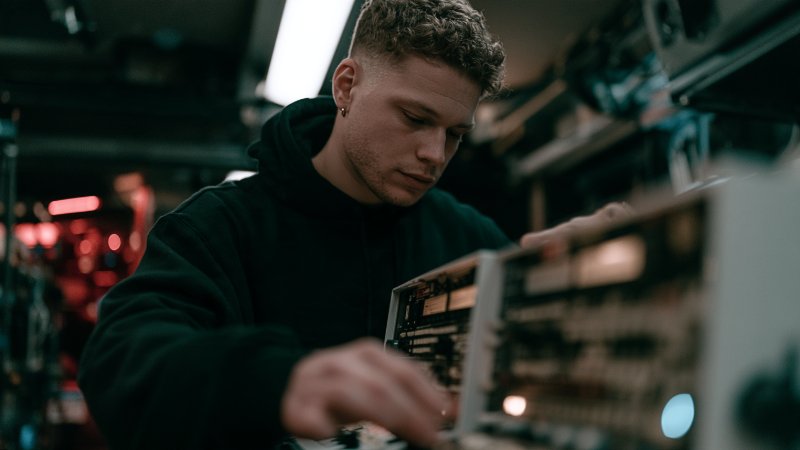


How to Land Your First 10 Mixing Clients as a Sound Engineer
You are a beginner sound engineer, passionate about mixing, but the question keeps coming back: how do you find your first 10 clients? This step is often a challenge because it requires both technical skill, networking, and trust. Rather than dreaming of anonymous online contracts, imagine yourself in your city or neighborhood, meeting musicians, bands, producers who are precisely looking for someone to enhance their tracks.
Step 1: Explore your local scene and create authentic connections
First of all, you need to leave the studio and go towards your musical community. The first clients often come from proximity and trust.
Key actions:
- Attend local concerts, jams, and rehearsals to meet musicians looking for a mixer.
- Participate in meetings or workshops around music in your city.
- Offer your help for free or at a reduced rate to emerging bands to get known.
Example:
A beginner sound engineer started by spending time in a local music café where amateur bands performed. By talking, he offered to mix a track for free for a band looking to professionalize. This first contact led to valuable word-of-mouth.
Step 2: Build a tangible portfolio with concrete projects
Before claiming a professional rate, you need to show what you are capable of. A solid portfolio is an indispensable asset.
Key actions:
- Collaborate with local artists on demos, even unpaid, to accumulate references.
- Document each project with audio excerpts before/after your mixing.
- Create a webpage or a profile on a dedicated platform to showcase your work.
Example:
An engineer compiled several mixing sessions done for local bands into a playlist accessible from his website. Musicians could judge the quality before entrusting him with paid projects.
Step 3: Be clear and transparent about your rates and services
At the start of your career, it is essential to adopt clear communication to build trust and avoid misunderstandings.
Key actions:
- Define suitable packages: simple mix, mix + mastering, revisions included.
- Explain precisely what your work includes and what can be added.
- Offer transparent quotes before any confirmation.
Example:
Offering an affordable mixing package with one or two revisions, then explaining that additional requests will incur extra charges. This reassures and facilitates the musician’s decision.
Step 4: Use social networks and local music platforms
Online presence complements action on the ground. It allows you to broaden your audience and stay visible.
Key actions:
- Regularly share project excerpts, mixing tips, and client testimonials.
- Join local groups on Facebook, Discord, or others where musicians and technicians gather.
- Offer live sessions or tutorials to showcase your expertise.
Example:
An engineer created a series of short videos explaining the difference between a raw mix and a final mix, which generated direct contact requests from local bands.
Step 5: Be professional and human in every collaboration
Word-of-mouth is often the key to getting your first paying clients. It relies on the quality of the work but also on the quality of the relationship.
Key actions:
- Always respect deadlines and communicate regularly with your clients.
- Be attentive to artistic needs to offer a mix that enhances their project.
- Request feedback and encourage recommendations.
Example:
An engineer who sends a preliminary mix with modification options invites the band to give their opinion, creating a respectful collaboration that encourages recommendations to other artists.
Step 6: Diversify your contact sources and expand your network
Once the first clients are acquired, you need to develop your activity by multiplying entry points.
Key actions:
- Collaborate with producers, studios, and musicians of various genres.
- Offer your services for events, compilations, or community projects.
- Participate in recording sessions or workshops to extend your network.
Example:
A sound engineer joined a local music association that organizes monthly recording sessions, allowing him to regularly meet new musicians seeking mixes.
In summary
Getting your first 10 mixing clients is first and foremost a story of listening, local presence, and sharing. By developing your credibility through concrete and human collaborations, you build a solid foundation for your career. Your next step? Find a nearby music scene, attend an event, start a conversation, and offer your help on a project. The perfect mix starts with a meeting.