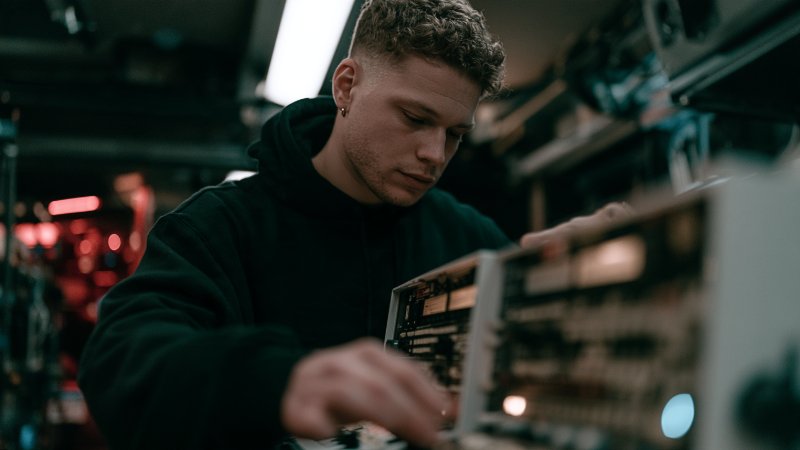


Mastering the Art of Mastering: Key Skills for Sound Engineers
Essential Skills of a Sound Engineer to Produce Good Mastering
You have recorded your latest track with your band or solo project and dream of a final sound that hits hard, ready to be broadcast on all platforms. But mastering, this crucial step that transforms a raw mix into a finished product, requires precise know-how. On Benoizzy, where musicians and music professionals connect to create together, understanding the key skills of a sound engineer specialized in mastering can make all the difference. Whether you are looking to collaborate for the first time with an engineer or want to better understand the mastering process to refine your production, this guide offers you a concrete and practical path, step by step, to grasp the essential elements and know how to spot the right profile around you.
Step 1: Understand the Exact Role of a Sound Engineer in Mastering
What Mastering Really Brings to Your Music
- Uniformize the sound: Mastering balances frequencies, volumes, and dynamics so that your track sounds good on all devices, from headphones to radios.
- Optimize the sound level: Find the right balance between power and clarity, without crushing the dynamics of your music.
- Prepare the final file: Formatting, encoding, and metadata verification for digital distribution or physical production.
How This Step Fits into a Musical Collaboration
Often, you work directly with a mastering sound engineer via a platform like Benoizzy, which facilitates local connections. The first contact is essential to clearly explain the spirit of your music and your expectations.
Example: A local rock band seeks mastering that preserves raw energy while making the sound more professional. The engineer will therefore need to listen to several versions, discuss references, and align with the artistic vision before starting the mastering.
Step 2: Master the Essential Technical Tools
Essential Software and Equipment
- Digital Audio Workstations (DAW): Ableton, Pro Tools, Logic Pro, or Cubase; mastering at least one DAW is the foundation for manipulating tracks.
- Audio processing tools: Compressors, equalizers, limiters, dithering, which require a fine understanding of their parameters.
- Quality monitors and acoustics: Good mastering requires balanced listening, so quality speakers and an acoustically treated room.
Developing a Technical Ear in Real Situations
It’s not just about machines. A sound engineer gains finesse when working with several bands or artists, adapting to their needs and challenges. Benoizzy allows you to find these opportunities to practice and refine your skills.
Example: A local producer wants clear and warm mastering for a folk album. The engineer must test several equalization and compression settings, then validate with the artist during listening sessions together.
Step 3: Know How to Manage Communication and Artistic Expectations
Active Listening and Clear Exchanges
- Take the time to listen to the musical references provided by the artist.
- Clarify sound preferences, such as the extent of dynamics or warmth of the sound.
- Offer intermediate versions to validate adjustments.
Create a Constructive Collaboration
Mastering is not a “black box” service. It is a dialogue, sometimes a negotiation, that builds trust and gives the engineer the elements to move forward.
Example: A singer wants mastering that highlights their voice without altering the mix too much. The engineer proposes a first version, then adjusts vocal compression based on feedback, while explaining the technical choices.
Step 4: Develop Expertise on Different Musical Styles
Adapt Techniques According to Genres
- The constraints of hip-hop mastering are not the same as for jazz or electronic music.
- Recognizing the codes and aesthetics specific to each style is essential to best serve the music.
- The ability to broaden one’s working spectrum increases collaborations and credibility.
Draw from the Local Scene and Exchanges
Thanks to Benoizzy, you can meet musicians of various styles, participate in different projects, and refine your ear. Each mastering session brings new experience.
Example: A sound engineer discovers a local funk-soul project via Benoizzy. They must consider the harmonic richness and specific dynamics so that the mastering preserves the energy without crushing the groove.
Step 5: Anticipate Distribution and Media Constraints
Know Formats and Standards
- Understand the specifics of streaming platforms (Spotify, Apple Music, YouTube) with their loudness and metadata requirements.
- Adapt mastering for vinyl, CD, or high-quality download production.
- Ensure multi-media compatibility to avoid unpleasant surprises during playback.
Work in Coordination with Production Teams
A mastering sound engineer often has to coordinate with the producer, label, or distributor to meet deadlines and technical constraints.
Example: For an independent project, the engineer collaborates with a producer met on Benoizzy who is preparing the digital and vinyl release. They create several adapted masters, respecting the schedule and requirements.
Step 6: Cultivate Professional Ethics and a Passion for Quality Work
Reliability and Respect for Commitments
- Meet announced deadlines, be clear about what is included in the service.
- Be transparent about technical limits and possible costs.
- Provide follow-up after release to manage any adjustments.
Stay Passionate and Curious
The mastering sound engineer is above all a music and technology enthusiast. Curiosity, continuous training, and exchanges with the local community nourish their expertise.
Example: An engineer invests in the local scene via Benoizzy, regularly exchanges with other professionals and musicians, which allows them to adapt their approach and enrich their network.
In Summary: Your Path to Successful Mastering Begins with True Collaboration
Mastering is not just about pressing a few buttons. It is an alchemy between technical skills, artistic listening, communication, and professional commitment. To find a sound engineer who shares your vision and masters the demands of mastering, Benoizzy is a valuable ally. By connecting with professionals from your local scene, you can build this trust relationship and obtain a final result that brings your music to life at its best.
Next step: On Benoizzy, contact a mastering sound engineer in your region, discuss your project, and organize a first listening session to lay the foundation for a successful collaboration.