
Pitfalls to Avoid When Collaborating in Music Production
Introduction
In the world of music, collaboration is often the key to bringing rich and authentic projects to life. However, working together on a music production can quickly become complex, with artistic differences, communication problems, or poorly defined expectations. On Benoizzy, a platform dedicated to musicians and professionals, we have identified the most recurring mistakes during collaborations in production and offer you concrete ways to avoid them and get the best out of your exchanges.
1. Neglecting the initial contact and compatibility stage
Often, meetings between musicians or producers happen on a whim, via social media or a recommendation. Yet, without a clear exchange about styles, working methods, and goals, one risks clashing with visions that are too far apart.
- Advice: Take the time to listen to each other's musical references, discuss ambitions (album, live, simple jam), and assess each other's real availability before committing.
2. Lacking organization from the first rehearsals and sessions
The pleasure of playing together can quickly be spoiled by a lack of preparation: poorly rehearsed pieces, absence of a schedule, equipment not ready, or even recurring lateness. This disorder creates frustration and wastes precious time.
- Advice: Set a clear schedule, invite participants to prepare their parts, and appoint a coordinator who manages the sessions. This discipline nurtures motivation and mutual respect.
3. Underestimating the importance of communication and constructive feedback
In the studio or rehearsal, tensions often arise from a lack of open communication. Not daring to express doubts or criticisms, or on the contrary, imposing one's point of view without listening, hinders creativity and can break the group dynamic.
- Advice: Establish a climate of trust where everyone can share their ideas and feelings. Formulate criticisms constructively, focusing on the project and not on individuals.
4. Forgetting to formalize commitments
Many start a collaboration on a whim without clarifying roles, copyrights, or revenue-sharing arrangements. This ambiguity often leads to conflicts at the time of commercialization or distribution.
- Advice: From the start, discuss and put in writing the legal and financial aspects, even in a simple form. This protects everyone and avoids costly misunderstandings.
5. Neglecting the local scene and live performance opportunities
A good production deserves to be brought to the stage. However, it happens that groups or collaborative projects do not seek enough to integrate into local scenes, thus missing valuable opportunities for testing, feedback, and visibility.
- Advice: Use local networks, participate in jams, open mic nights, and collaborate with other music players to enrich your network and bring your project to life.
6. Letting technology become a hindrance rather than a lever
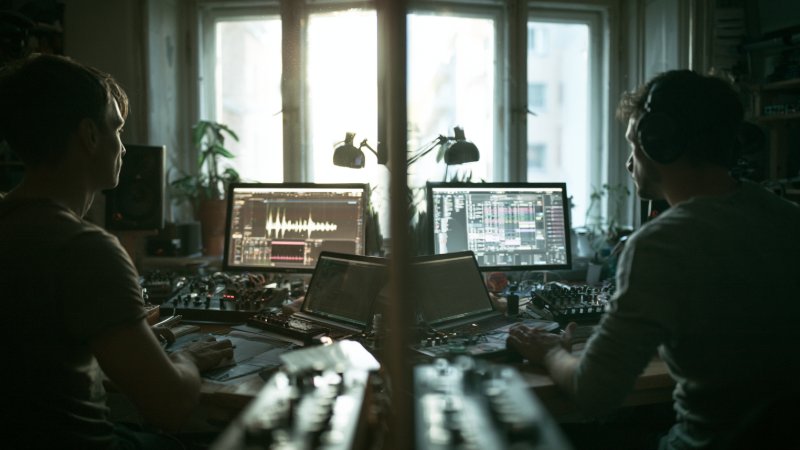
Home studios and digital tools have expanded possibilities for remote collaboration, but they can also create barriers (file compatibility issues, latency, poor audio quality).
- Advice: Choose suitable platforms, standardize formats, and consider regular in-person meetings to keep the artistic chemistry alive.
Conclusion
Collaboration in music production is a human and technical adventure that requires patience, organization, and dialogue. On Benoizzy, our community values local support, respect for each other's rhythms, and collective construction. By avoiding these common mistakes, you will maximize your chances of realizing vibrant and lasting musical projects.
To discover more advice and promote your project, join us on Benoizzy, the local music scene that makes a difference.