
Social Networks for Musicians: Quickly Finding Authentic Collaborations
Introduction
In an increasingly connected musical world, finding partners for playing, creating, or producing may seem easier thanks to social networks dedicated to musicians. Yet, the real challenge lies not only in making connections but in quickly building authentic and lasting collaborations. This article explores how, concretely, musicians, bands, producers, and singers can optimize these platforms to create, rehearse, record, and perform together effectively.
Why a social network dedicated to musicians?
Unlike generalist networks, platforms specialized for musicians allow targeting relevant profiles based on styles, levels, and projects. They encourage exchange around common musical interests, local discovery, and organizing concrete meetings.
The real needs of musicians seeking collaboration
- Precise search: Finding a local rock drummer with stage experience.
- Artistic compatibility: Ensuring musical affinity and a shared vision.
- Practical organization: Planning rehearsals, recording sessions, and concerts.
- Trust and commitment: Establishing a human connection beyond the simple online profile.
The typical path of a successful collaboration via a musical social network
1. First contact: creating an authentic and engaging profile
A complete profile with audio demos, performance videos, musical influences, and clear goals facilitates identifying compatibilities. Benoizzy, for example, encourages musicians to detail their experiences and expectations to avoid unnecessary contacts.
2. First exchanges: going beyond simple messaging
After initial contact via messaging, quickly organizing a call or a physical meeting is essential. This allows feeling the human dynamic and verifying the creative “chemistry.”
3. First trials: rehearsal as a fundamental test
Rehearsal plays a dual role: refining the musical project and appreciating each person’s adaptability and listening skills. Social networks can help find shared rehearsal spaces or organize sessions through dedicated groups.
4. Commitment and project structuring
If the collaboration works, it is important to formalize objectives: compositions, recordings, concerts. A shared calendar and regular communication via the platform strengthen cohesion.
Obstacles and how to overcome them
- Reluctance to meet in person: Favor local events organized through the network to break the ice.
- Lack of availability: Use integrated calendar and planning features.
- Artistic differences: Propose improvisation sessions to test compatibility without pressure.
Concrete examples: stories of collaborations launched thanks to social networks
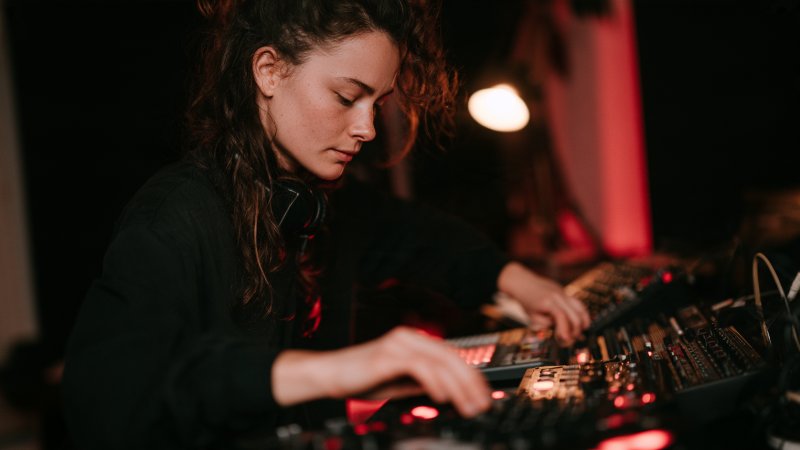
Several local bands have emerged thanks to meetings on dedicated platforms. For example, a jazz singer from Lyon found a guitarist and a percussionist on Benoizzy, which allowed them to record an EP in six months and follow up with concerts in the region. A Parisian electronic producer, for her part, forged collaborations with acoustic musicians through online exchanges, creating a hybrid project that quickly attracted the attention of an independent label.
Practical tips to maximize your chances
- Take care of your profile: Regular updates, quality content.
- Be proactive: Do not hesitate to contact several musicians and propose meetings.
- Be clear about your expectations: Style, level, desired commitment.
- Participate in the community: Forums, events, workshops offered by the platform.
Conclusion
Social networks for musicians are powerful tools to quickly find collaborators, provided these relationships are approached with authenticity, clarity, and commitment. By combining a precise profile, human meetings, and rigorous organization, musical projects gain depth and impact. With a true will to build together, the local scene and studios open up to renewed creativity.
Benoizzy supports musicians in this collective adventure, promoting relevant meetings and sharing concrete experiences to build lasting and inspiring collaborations.