
The perfectionist beatmaker syndrome: overcoming obsession to create together
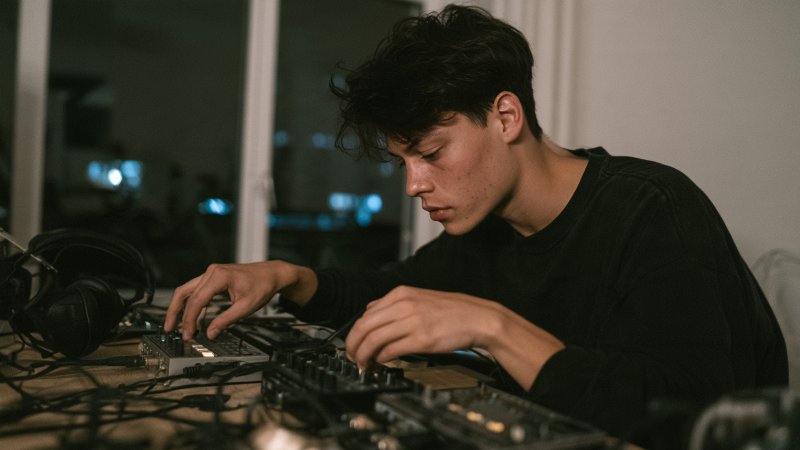
Alex is a beatmaker in your city. Passionate and meticulous, he spends hours refining every detail of his productions. Yet, despite undeniable talent, he struggles to move forward with his projects and especially to collaborate with other musicians. This blockage, often called the "perfectionist beatmaker syndrome," hinders talents like him across local scenes. Let's discover how Alex will transform this quest for perfection into a driving force for true musical collaboration.
The trap of absolute perfection: when the search for the ideal sound blocks projects
At first, Alex believes that the quality of his beats is what will make him stand out. He adjusts, readjusts, reworks sounds, mixes, arrangements, sometimes to the point of hibernating on the same idea. This attitude, while ensuring a polished result, often ends up creating an invisible wall with potential partners. Because in music, creation is also a story of exchanges, surprises, and embraced imperfections.
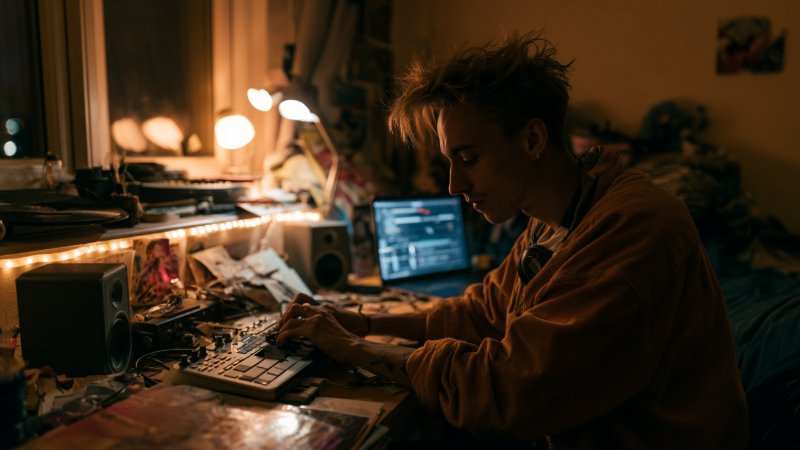
The fear of releasing a "not perfect" track can be paralyzing. For Alex, this often means postponing sessions with other musicians, delaying rehearsals, or refusing invitations to jam. The result: the project stagnates, and the beatmaker remains alone in front of his screen, disconnected from the collective dynamic that could breathe life into his ideas.
The encounter with the local scene: a first step towards openness
One day, driven by the desire to make things move, Alex accepts an invitation to a jam session in a café near his home. There, he discovers a world where imperfections are celebrated as musical moments of life. He meets singers, guitarists, percussionists, all ready to experiment and improvise together.
This experience makes him understand that music is not built alone, nor in technical isolation. The dialogue between musicians, spontaneity, and risk-taking are often the key to creating tracks that breathe and captivate an audience. This first contact is also a springboard to break free from rigid perfectionism and learn to welcome randomness in his music.
The creative alchemy: when differences forge a collective identity
Collaborating also means accepting that each musician brings their sensitivity, ideas, sometimes very far from the beatmaker's initial vision. Alex realizes that by giving a little space to others, his productions gain richness and authenticity. For example, the rhythm a drummer proposes can reveal a new dynamic, or a singer can inspire an unexpected melodic line.
This alchemy often arises during rehearsals, when musicians learn to understand and adapt to each other. Perfectionism does not disappear overnight, but it softens to make room for collective energy. The project then becomes a shared playground, where mistakes are no longer failures but opportunities for discovery.
Concrete tools to facilitate local collaboration
In your city, as everywhere, platforms like Benoizzy make it easy to connect talents. Alex uses these networks to find musicians who share his desires and style, but also to organize jam sessions or rehearsals. These tools help to break out of technical solitude and gradually build a trusted team.
He also learns to define clear objectives for each meeting: a track to work on, an idea to test, a recording session. These simple frameworks prevent collaboration from becoming chaotic and allow everyone to fully commit, even with their imperfections.
The studio, the live, the sharing: stages of a successful collaboration
After several sessions, Alex and his local group decide to go to the studio. The experience is revealing: once again, the search for perfection is tempered by human reality. Sometimes, an imperfect take full of emotion is preferred over a mechanical and overly polished sound. The collective learns to value what makes the soul of their music, not just its technique.
On stage, this authenticity is fully expressed. The audience feels this collective energy, this spontaneity born from trust and letting go. For Alex, overcoming the perfectionist syndrome does not mean denying quality, but embracing the unpredictable life of shared music.
Towards a more open and collaborative musical future
Alex's journey clearly illustrates the challenge faced by many perfectionist beatmakers and producers. The key is not in fighting one's own desire for excellence, but in the gradual learning to open up to others. Every local scene is full of musicians ready to create together, enrich each other, and make their audience vibrate.
So, if you recognize yourself in this syndrome, remember that perfection is often the enemy of living music. Taking the risk to collaborate, improvise, listen, and share may be the best way to unleash your creativity and build sustainable, human, and inspiring projects.
Music feeds on encounters and differences. Dare to overcome perfectionism to create with your scene, and let the collective magic happen.