
Why use a social network for musicians in 2026?
A revolution in musical collaboration
In 2026, musical practice is no longer limited to traditional studios or rehearsal rooms. Social networks for musicians have profoundly changed the way artists, bands, and music professionals meet and work together. These specialized platforms offer a unique space to connect talents, exchange ideas, and build concrete artistic projects.
Finding the right partners to play and create
The first challenge for a musician is often to find compatible partners, whether for a band, a duo, or a studio session project. Dedicated social networks now allow filtering profiles according to style, level, availability, and even geographic proximity. Thus, a bassist in Lyon can quickly identify a nearby drummer sharing the same musical vision and organize a first meeting in a few clicks.
Concrete examples of local connections
- A jazz singer in Marseille uses the platform to discover a pianist and then rehearse together in a music room.
- A rock band in Lille recruits a new guitarist thanks to recommendations and reviews from other musicians on the network.
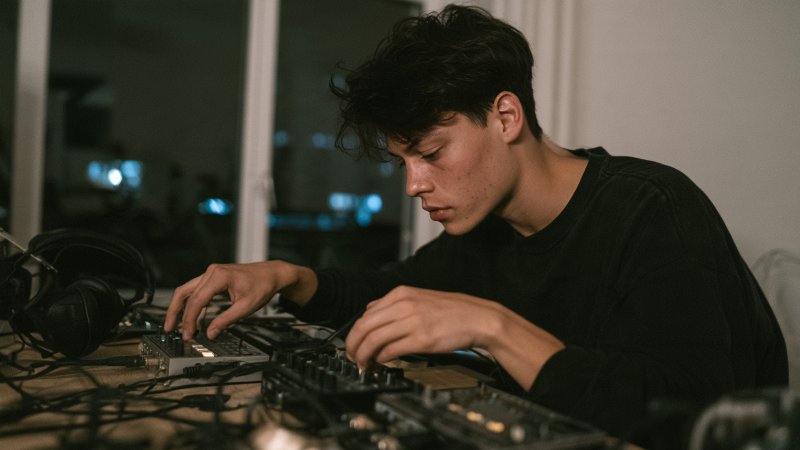
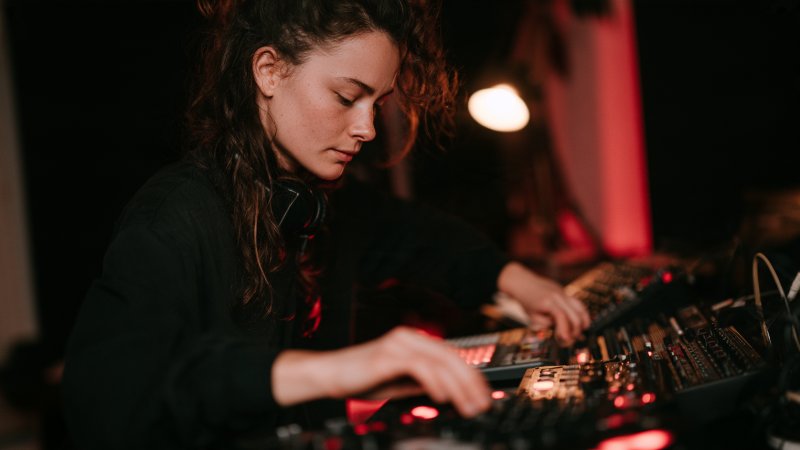
- An electronic producer in Toulouse collaborates remotely with a singer met on the platform to create an EP.
Optimizing rehearsals and concert preparation
Once the musicians are gathered, social platforms offer practical tools to organize rehearsals, share sheet music, demos, and prepare concerts. Collective calendar management avoids wasted time and missed appointments, thus strengthening each person’s commitment to the project.
Groups can also use these networks to exchange advice on local concert venues, accessible recording studios, or booking opportunities, reinforcing mutual aid and the life of the local scene.
Creating creative chemistry and lasting commitment
Beyond simple connections, these social networks foster the building of a true musical community where trust and creativity can flourish. Initial contacts formalized by direct messaging quickly evolve into richer exchanges, trial sessions, then joint projects. This dynamic is essential to build solid artistic chemistry, a guarantee of success on stage or in the studio.
The key role of feedback and evaluations
Members can also share their feedback, recommending reliable and motivated musicians, which facilitates the formation of stable and committed groups. These mechanisms help professionalize the local music scene while maintaining a collaborative and human spirit.
Opportunities for visibility and development
In 2026, these social networks are no longer just spaces for exchange but also for promotion. Musicians can publish their performances, concert announcements, and upcoming projects. The internal search engine allows easy discovery of local talents and events, thus stimulating regional scenes and encouraging face-to-face meetings.
This increased visibility also helps professionals detect new talents, thus facilitating the work of producers, agents, or programmers looking for authentic and committed artists.
Conclusion: an indispensable tool for today’s and tomorrow’s music
Using a social network for musicians in 2026 means opening up to a universe of concrete opportunities: finding playing partners, organizing rehearsals, creating strong bonds, and promoting projects. For artists, bands, producers, and professionals, these platforms embody the new way to experience music, placing collaboration, proximity, and community at the heart of every approach.
Benoizzy, as a musical social network, embodies this vision by facilitating every step of local and professional musical life, so that every musician can truly play, create, and grow together.